 Anthea
Essays on the psychology of relationships.
From a couples therapist's desk: grounded in research, written in everyday language.
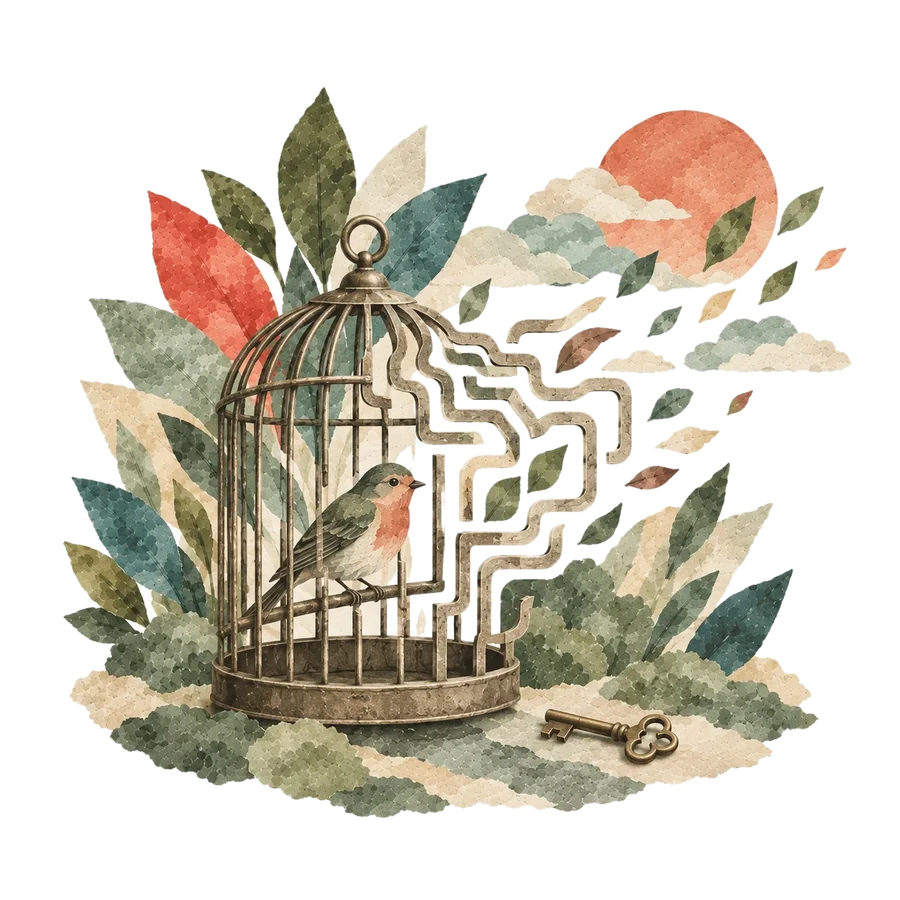
Will Controlling Everything Keep Me Safe?
Why does greater control not always mean less anxiety? Control can provide short-term security, but trust is not certainty. What distinguishes our sphere of influence from a wish for complete command?

Why Does It Hurt So Much When My Partner Is Online but Doesn’t Message Me?
Online status, last-seen timestamps, read receipts: technology gives us plenty of information without telling us what it means. What is supposed to reduce uncertainty often makes it grow. Why can silence so quickly feel like rejection?

Should Couples Sleep in the Same Bed?
For many couples, a shared bed is quiet evidence of closeness, which is why wanting to sleep separately can sound like rejection. Yet sleeping together and sleeping well are not the same thing. The question is whether the arrangement protects both rest and intimacy…
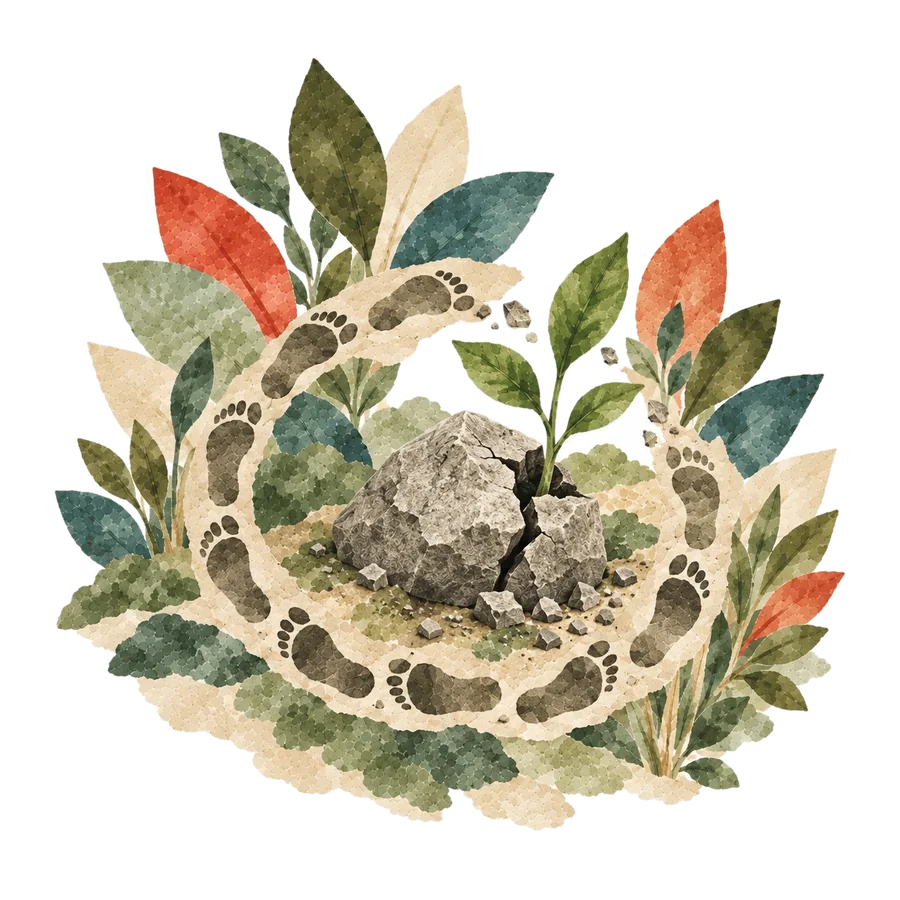
Why Do We Repeat a Mistake After Promising We Won’t?
The regret is real, and the behavior still recurs. This may be more than weak willpower: intention and habit do not operate in the same way. Repetition is not a final verdict of failure…
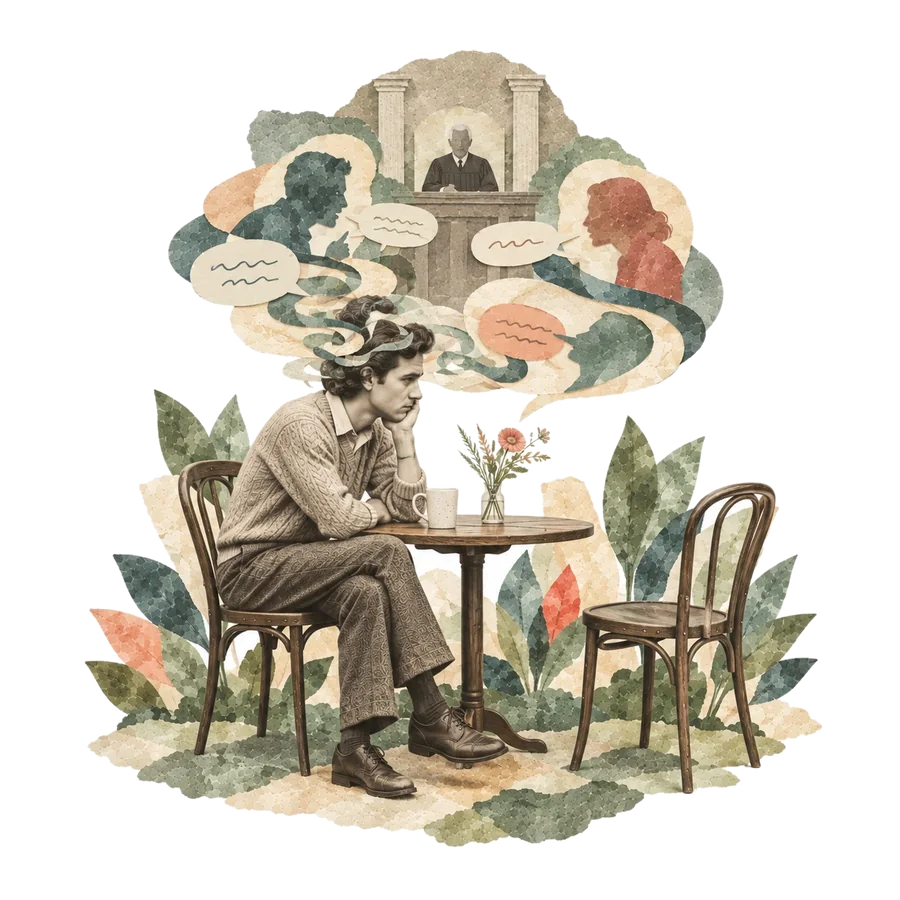
Why Am I Still Arguing in My Head After the Fight Is Over?
The argument ends and the lights go out, but the trial goes on in the mind. It may look like an effort to prove one is right, yet deeper down a different question may be at work: am I still loved, am I safe? Why the body keeps the conflict going after the conversation has ended…
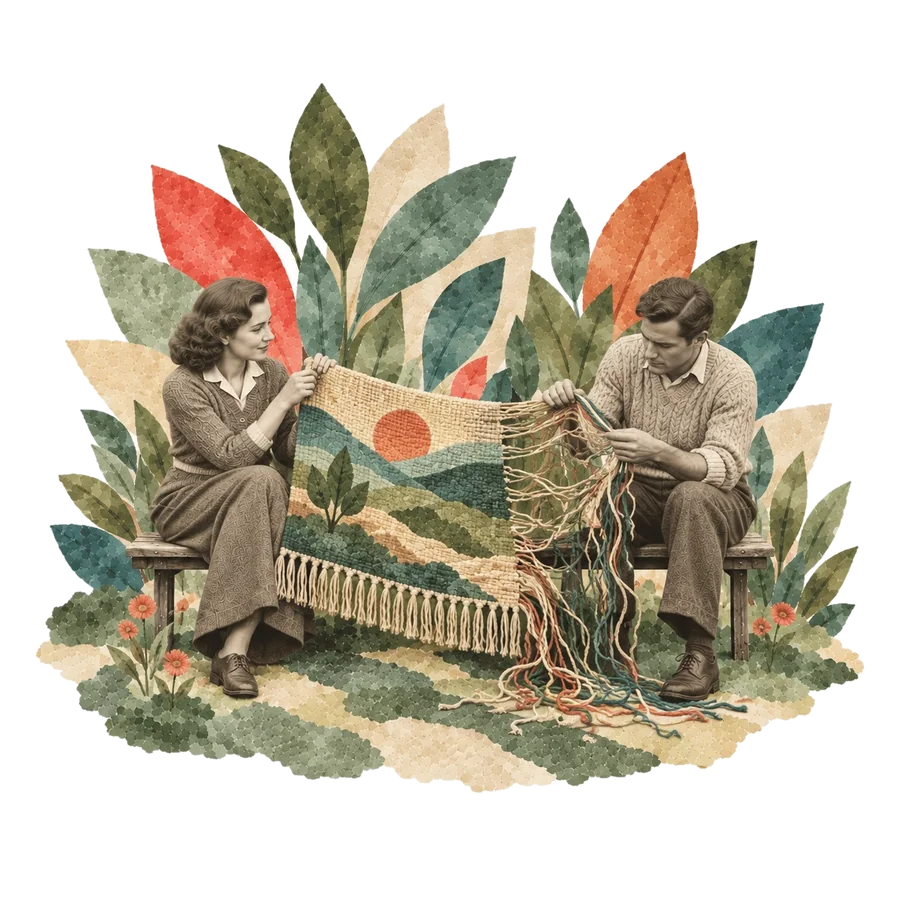
Why Do We Make Each Other Forget?
Couples do more than remember events differently: they also influence what each person can recall. As a shared story takes shape, one of two experiences can quietly disappear from view. A couple may appear to agree while growing lonelier within the relationship…

Does the Porn I Watch Reveal What I Really Want?
Finding an image arousing does not mean wanting to experience the scene. The body’s response, subjective desire, and what we choose in real life are three different layers. What we watch may offer a clue; on its own, it is not a confession…

Why Do We Forget Ourselves While Rescuing Others?
Even exhausted, someone listens to another person’s crisis for hours and feels guilty at the thought of saying no. Later, they are angry that no one asks how they are. When does helping express compassion, and when does it become self-erasure?

Am I Rejecting My Partner When I Don’t Want Sex?
Not wanting sex at a particular moment is different from rejecting a partner as a person. When the two become interchangeable, saying no becomes harder and intimacy becomes a test. Differences in sexual desire are a common experience for couples…

Why Does Something Lose Its Value So Quickly Once We Have It?
Something long awaited is finally ours. Weeks later, it blends into everyday life and the mind finds another target. We adapt to pleasure, while a good life takes shape beyond goals alone…

Does Masturbating in a Relationship Mean Pulling Away from Your Partner?
The behavior itself is not a reliable sign of distance from a partner. Its meaning develops through motivation, privacy, frequency, and the values both people bring to it. Sometimes the painful part is the comparison that follows…

Why Can’t I Let Go When I Know They Will Hurt Me?
Leaving a relationship means more than leaving a person: it also means leaving a familiar life and an imagined future. Knowing it is harmful does not necessarily make leaving easier. Attachment, patterns of learning within the relationship, and everything already invested can overlap…

Why Does Everyone Ask Me for Help When I Can’t Ask Anyone Myself?
The person everyone calls in a crisis cannot make a call when they need support. Asking for help is more than expressing a need: it is a moment of closeness in which vulnerability becomes visible. Why does receiving help feel dangerous when giving it feels so natural?

Why Do We Feel Guilty After Saying No?
After expressing a boundary, the mind immediately asks: are they hurt, was I wrong, could I have managed a little longer? Declining a request can create guilt as if we had caused real harm. Where does this guilt come from, and what is it trying to protect?

Why Does Winning the Love of Someone Who Doesn’t Love Me Feel So Important?
The less interest they show, the more we think about them; the further they pull away, the harder we try. From the inside, this effort can feel like filling something missing. Yet what we are pursuing may not always be that person, but the sense of worth we believe their choice would prove…

Why Do I Feel Something Bad Is Going to Happen Even When Everything Is Fine?
Sometimes peace, rather than pain, feels unfamiliar. Struggling to relax when things are going well is not ingratitude or a character flaw. It may reflect a system that has spent so long on alert that safety does not yet feel convincing. Why does the mind keep looking for trouble when there is no apparent danger?

Why Can’t I Tell My Partner Clearly What I Want?
A common expectation in close relationships is: if they love me, they should know without being told. Expressing a need seems to take away its spontaneity; leaving it unspoken brings the hurt of not being seen. This dilemma may concern trust that the need will be heard more than a lack of love…

I Love You, but I Don’t Want to Touch You: Why Does Desire Fade?
Loving a partner and always desiring them are different experiences. When desire decreases, it can easily be taken as a verdict that love has ended. Yet sexual desire is a living process influenced by the body, stress, safety, time, and the roles we occupy…

Why Am I Patient with Everyone Except the People I Love Most?
Someone who stays patient with everyone all day can snap at the smallest question at home. This need not be evidence of lovelessness. The effort spent regulating emotions, along with unmet needs, can spill into the closest relationship. Why does a small question trigger the whole day’s burden?
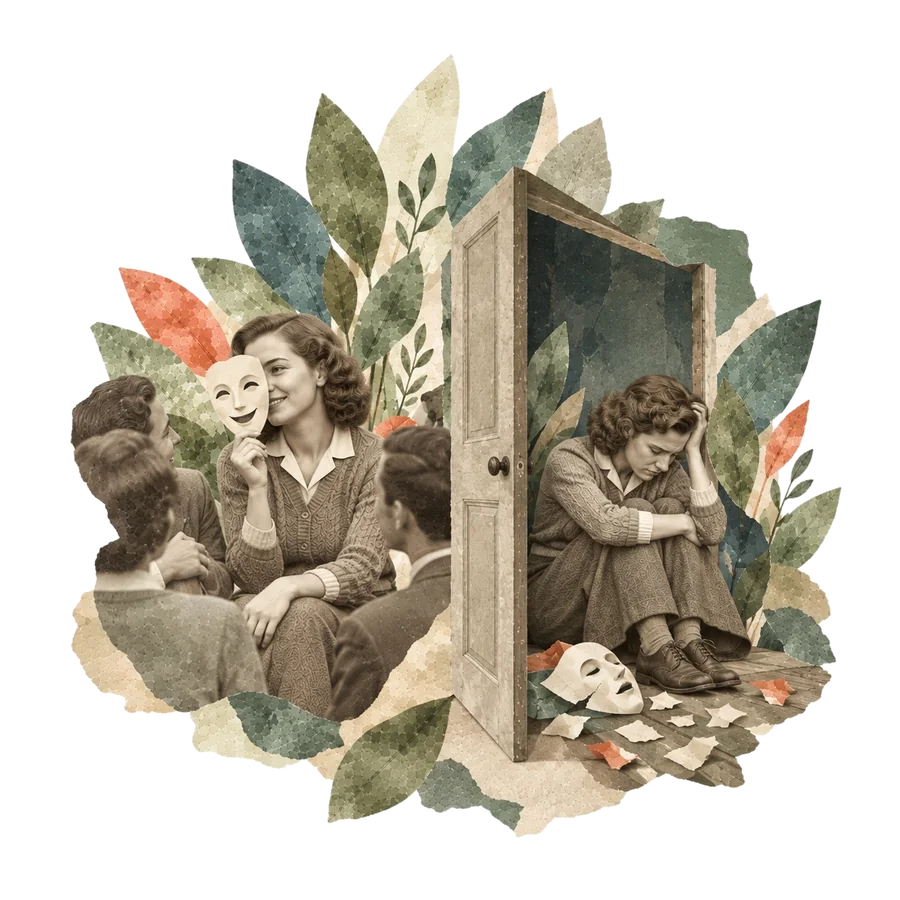
Why Do I Say “I’m Fine” Around Everyone, Then Fall Apart Alone?
Someone holds everything together all day, then closes the door and sits on the floor crying. Both states are real: the functioning part and the part that finally feels its exhaustion belong to the same person. The difficulty is not having different faces, but having no relationship in which the vulnerable one can belong…

I Don’t Recognize My Partner Anymore: Is This the Person I Married?
A partner’s changes can feel like a betrayal in a long relationship, because commitment also rests on an expectation that they will remain somewhat the same. Yet bodies, responsibilities, losses, and dreams change over the years. The difficulty lies beyond change itself…
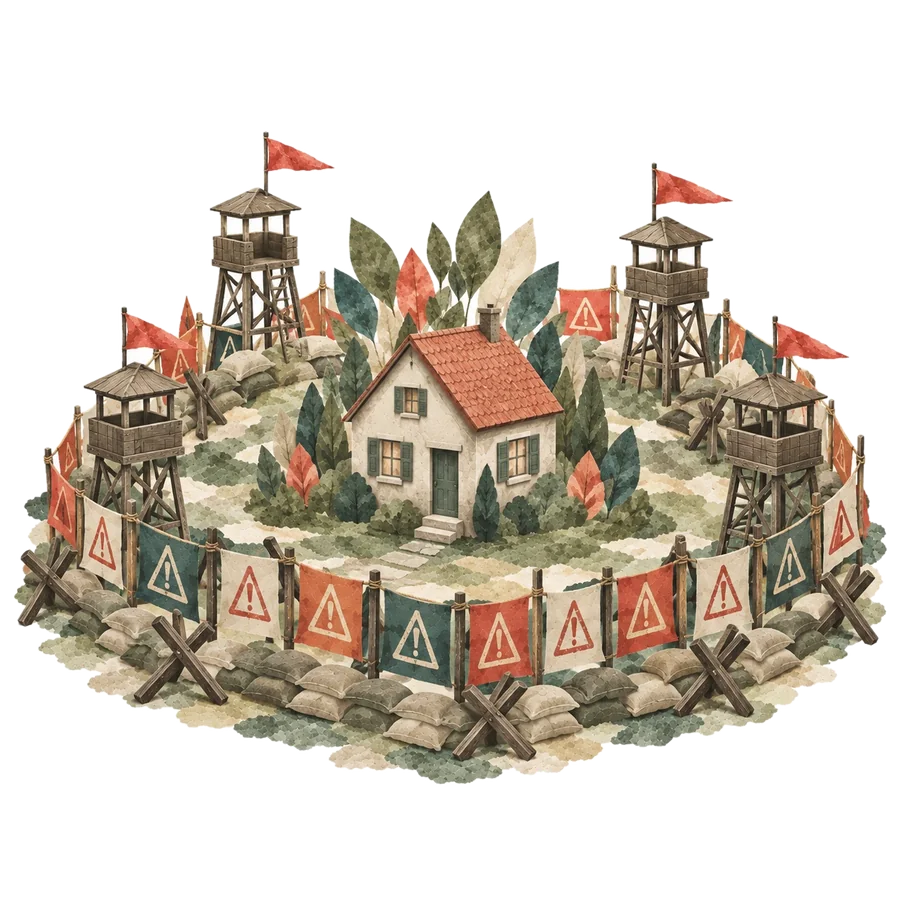
Does Thinking Something Bad Will Happen Protect Us?
Anticipating the worst feels like preparation, yet the preparation never ends. Anxiety has a protective origin; the difficulty is an alarm that stays on. How can we distinguish worrying from solving a problem?

What Does It Mean If My Partner Doesn’t Show Our Relationship on Social Media?
Not showing a relationship on social media is not, by itself, evidence of indifference or concealment. Some people keep their private lives offline, some see low visibility as protection, and some really are keeping their options open. What lies beneath the request to be included?
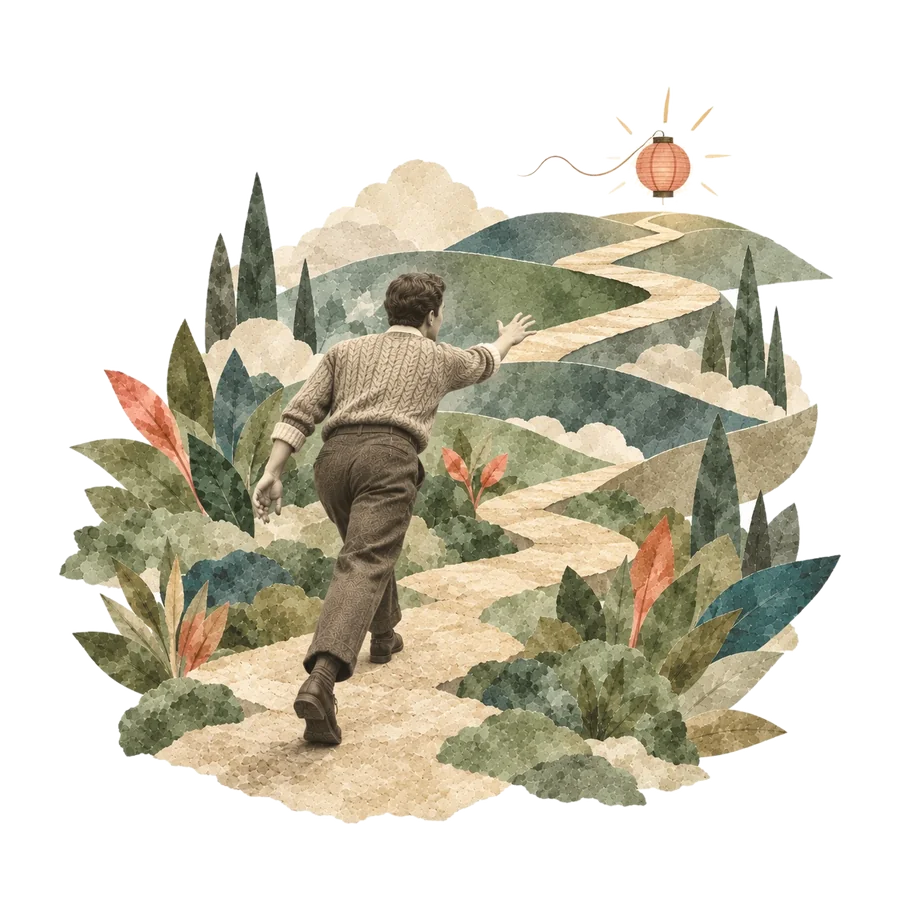
Why Does Desire Retreat as We Get Closer?
A distant goal is captivating; as it approaches, unease appears. Wanting and liking are different processes. Which need lies beneath the desire?

Why Do I Keep Checking My Ex’s Profile When I Want to Move On?
Checking an ex’s profile is often explained as “I still love them.” But the behavior does not simply measure the strength of a feeling. Attempts to reduce uncertainty, habit, and the apparent accessibility of a lost bond can also keep the cycle going…

Why Does Shame Make Us Want to Disappear?
A small mistake becomes a sweeping judgment about the person. Shame says “I am wrong,” rather than “I did something wrong.” It grows in secrecy, while the ability to be seen develops in small steps…

Am I Married to My Partner or Their Family?
No couple consists entirely of two people. Each partner brings loyalties and ideas about boundaries learned in their family. Why can loyalty to family feel like opposition to a spouse, and is the central difficulty the family or the couple’s alliance?

Is It Better to Forget or to Remember?
Is it bad not to have thought about a memory for years? Memory does not work like a recording device. Remembering is not necessarily loyalty, and forgetting is not betrayal…

Why Is It Always the Same Person Who Apologizes in a Relationship?
If one person always apologizes, it does not mean they are always more at fault. They may tolerate conflict less easily or have carried the job of keeping the peace since childhood. An apology does not always mean taking responsibility…
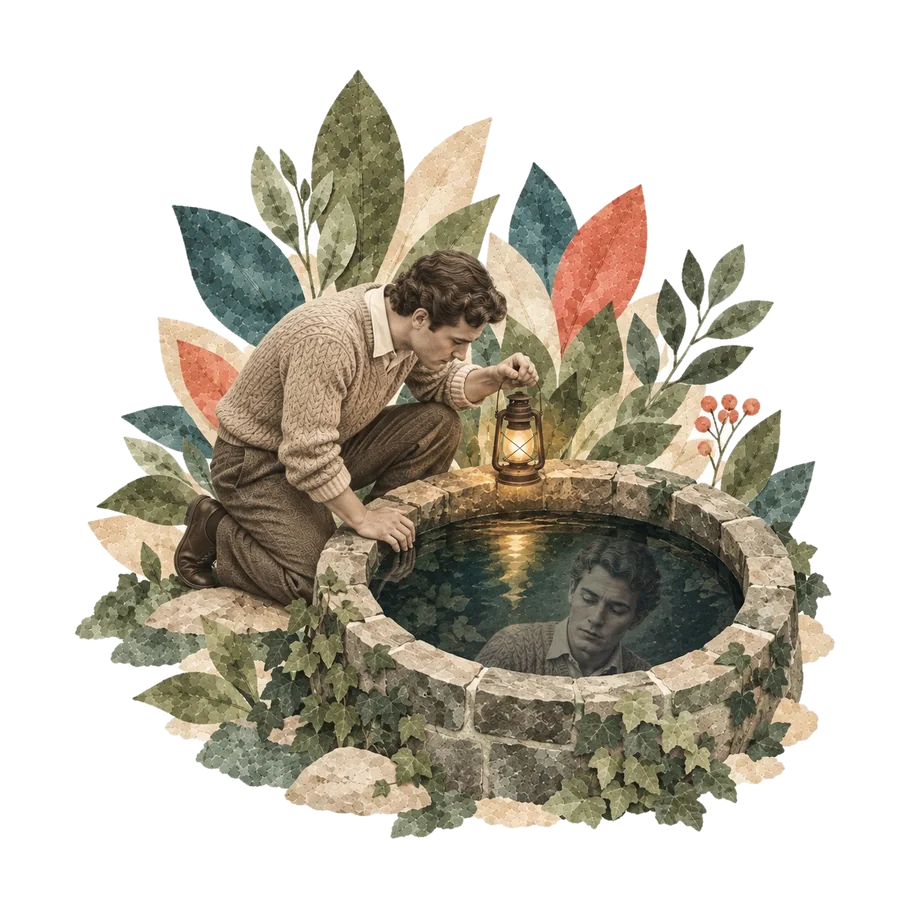
Why Can Looking Within Feel Frightening?
As silence lengthens, an unnamed unease appears. Nothing is wrong outside; what might be encountered within is unknown. Avoidance works briefly, but introspection differs from getting lost in thought…

Does Doing Everything Together Bring Us Closer—or Make Us Lose Ourselves?
Spending a great deal of time together can signal closeness. But a good partnership does not require individual spaces to disappear. A relationship needs both an “us” and two distinct people who can remain within it…
Is Letting Go of Someone We Are Grieving a Betrayal?
Someone notices themselves laughing, and guilt immediately follows. Thinking about the person less often can feel as if the bond is being erased. Yet grief is not a task of forgetting, and pain is not the same as connection…

Can We Grieve a Relationship Before It Ends?
We usually think grief begins after a loss. Yet in some relationships, loss is felt before the decision to separate: the partner is still there, but trust, a shared future, or the relationship as it once was may already be gone…
Why Do We Avoid Making Choices When We Want to Be Free?
Keeping options open looks like freedom while life becomes a waiting room. Every choice also means letting something go. How can we build a process capable of carrying a decision?

Why Do I Wait for My Partner to End It When I Want to Leave?
Someone who wants a relationship to end is not always the one who openly leaves. Sometimes they place the decision’s burden on their partner. Ambivalence may play a part, alongside guilt, fear of being a bad person, and avoiding responsibility for the consequences…

Why Do We Feel Like Strangers to Ourselves While Living the Life Everyone Wants for Us?
In a life that looks perfect, someone wakes asking, “Whose life is this?” Adaptation helps us connect, but too much can obscure the self. How can we recognize borrowed goals?

Why Do I Look for Traces of My Ex in a New Relationship?
When a relationship ends, the expectations we developed within it do not immediately disappear. A new partner may be a different person, yet the mind uses old maps to interpret uncertainty. The issue is not having those traces, but turning a new person into an old character drawn over them…

Why Do We Keep Preparing for Life Instead of Living It?
The preparation list grows while the date life will begin keeps moving forward. When is preparation growth, and when is it postponement? What would it mean to begin before feeling ready?
Why Can Getting to Know Ourselves Feel Uncomfortable?
Someone who considers themselves patient notices envy, and its meaning is what troubles them most. The self seeks consistency. Separating information from judgment can make discomfort a space for growth…
Are My Past Self and My Present Self the Same Person?
Sentences written years ago seem familiar, yet their author feels like a stranger. Neither “That was me” nor “I’m no longer that person” is enough. How do we remain ourselves while changing?

Why Can Trying to Be Happy Make Us Unhappy?
Checking “Am I happy enough?” in the middle of a holiday overshadows the holiday itself. When a feeling becomes a target, it can retreat. What if happiness were also a by-product?

Why Does Pain Feel Heavier When We Can’t Find Meaning in It?
The same difficulty can feel entirely different on two days. Its weight involves the meaning given to an event as well as the event itself. What changes when “Why?” becomes “What now?”…

How Do We Continue Everyday Life Knowing We Will Die?
The day after a funeral, people queue at the supermarket and discuss discounts. How can life remain so ordinary alongside such an enormous reality? Ordinary life has a protective strength…
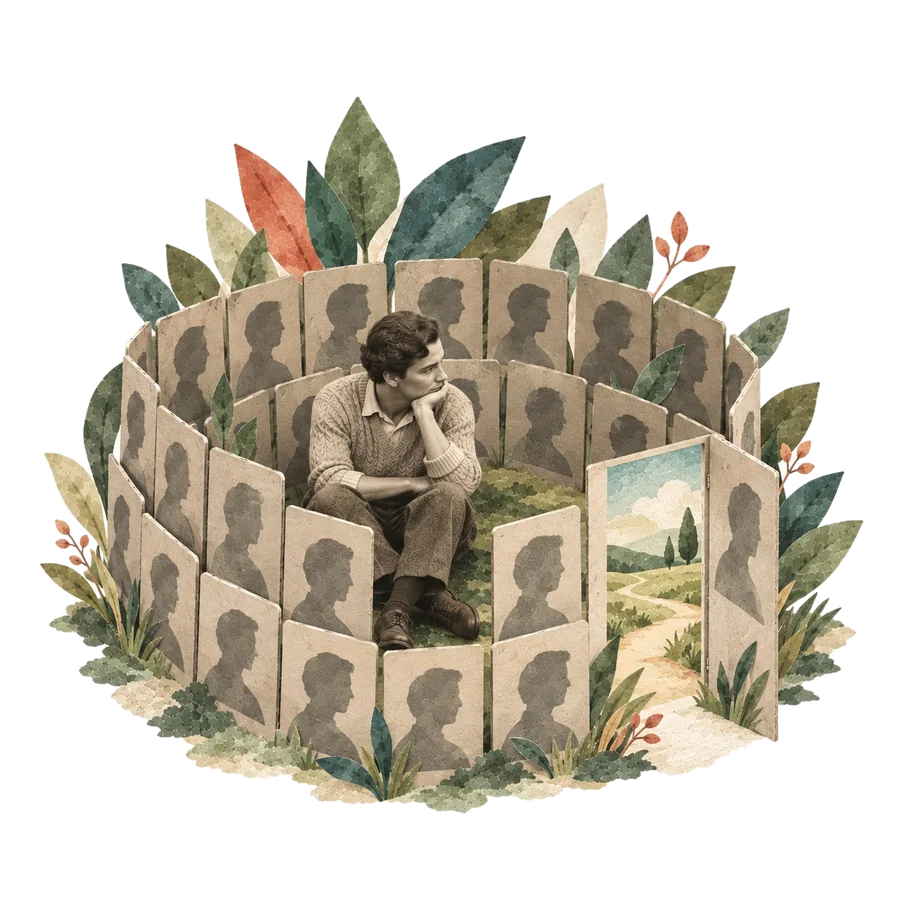
When Does the Story We Tell Ourselves Become a Prison?
“I can’t finish what I start” becomes more than an observation: it sets the boundary of the future. Stories organize experience; when they close, they begin directing it. The task may be to widen the story rather than replace it…

Why Do We Feel Judged When No One Is Watching?
We stumble and believe everyone is still remembering it minutes later, while most people are occupied with their own day. Where does the audience inside us come from when there is no actual audience?

What Is the Difference Between Being Good and Looking Good?
A helpful act sends the hand toward the phone camera; a private injustice goes ignored. Having a moral identity and behaving morally are not identical…
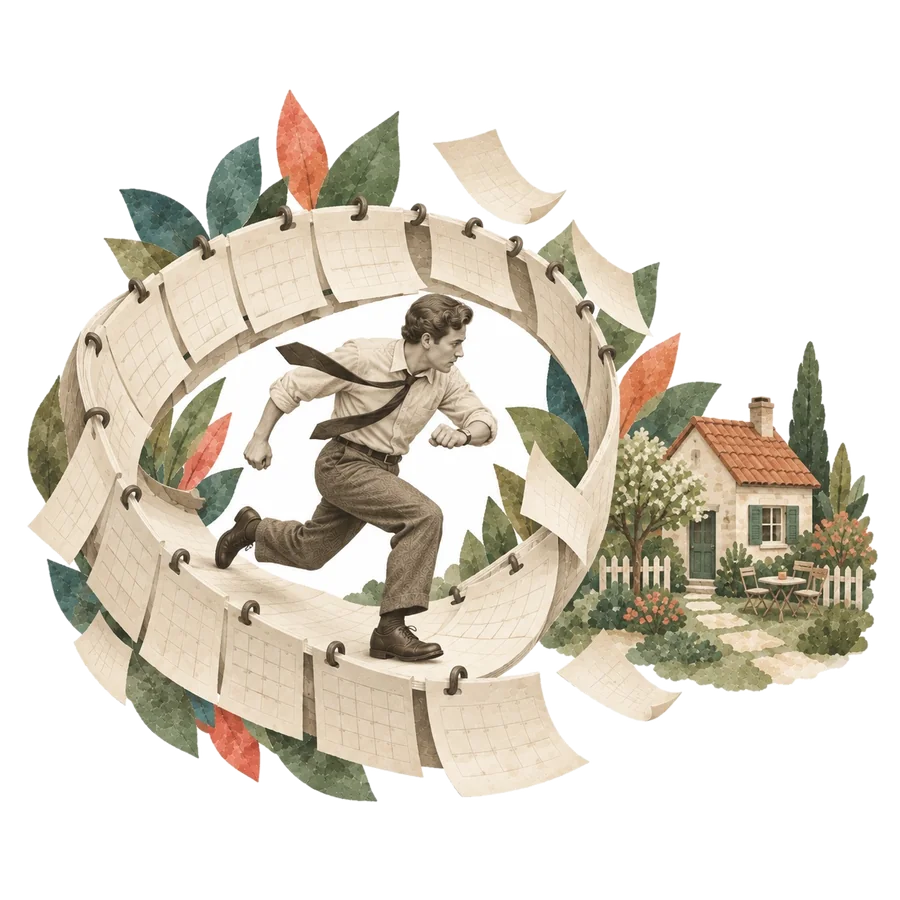
Why Do We Keep Up with Everything but Feel Absent from Our Own Lives?
Dozens of tasks are finished during the day, yet at night it feels as though we have not lived. The calendar is full; we are missing from it. How can keeping up with everything reduce contact with life?

Why Can Peace Feel Like Emptiness?
A demanding period ends. Relief is expected, but restlessness comes instead. The quiet house feels too quiet. The body may mistake its familiar rhythm for safety, while empty space is not always a deficit…

Why Do We Keep Busy to Avoid Ourselves?
One task ends and another begins; a free hour brings anxiety. Busyness has become a refuge rather than merely a schedule. When does doing become a way of avoiding living?
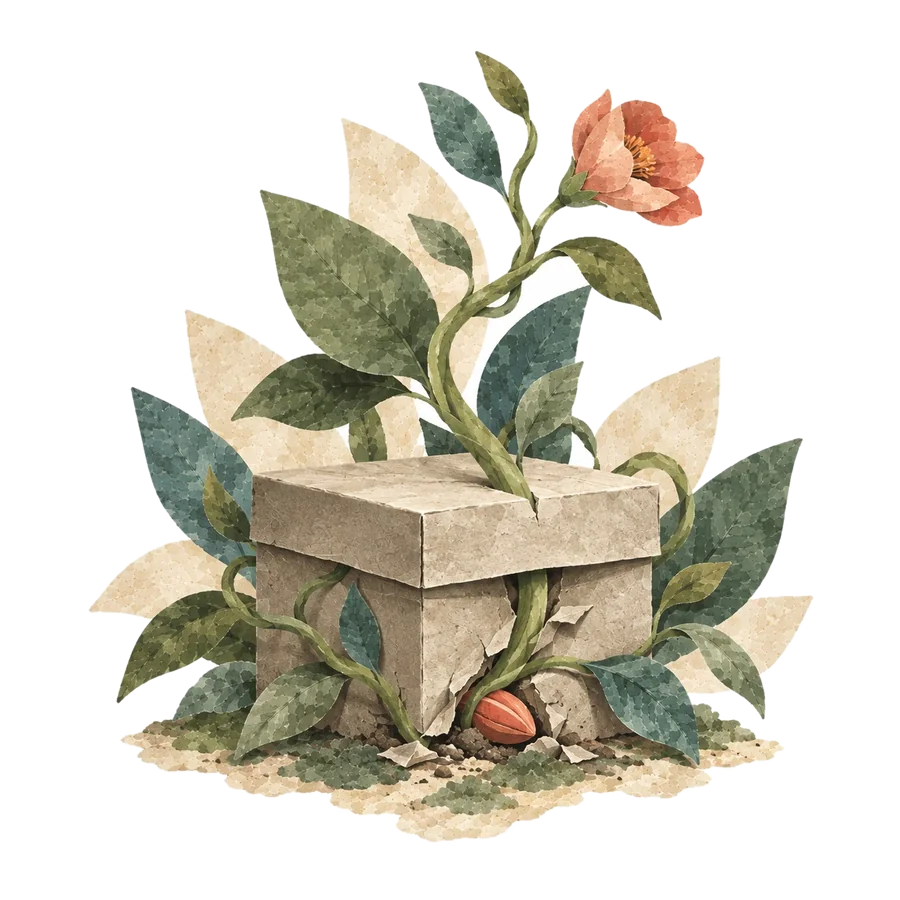
If We Let Go of Our Pain, Will We Lose Who We Are?
Someone notices anger easing and becomes uneasy: would letting it go minimize what happened? Pain may have become the central story explaining who they are…

Why Can’t We Treat Ourselves with the Compassion We Offer Others?
We tell a friend “This one event does not define you,” then make the same mistake and hear “You failed again.” Compassion exists, but faces only outward. Why do we treat harshness toward ourselves as a condition of growth?

Does Our Sense of Self Change When Our Body Changes?
The face in the mirror is familiar but different. Illness, age, pregnancy, or surgery can transform the body, prompting a person to rediscover their place in the world. Continuity can be built within change…

Why Do We Feel Guilty When We’re Doing Nothing?
The body stops while an inner counter keeps running: “You’re wasting time.” When worth and productivity merge, rest becomes a reward that must be earned. Guilt is not always a reliable compass…
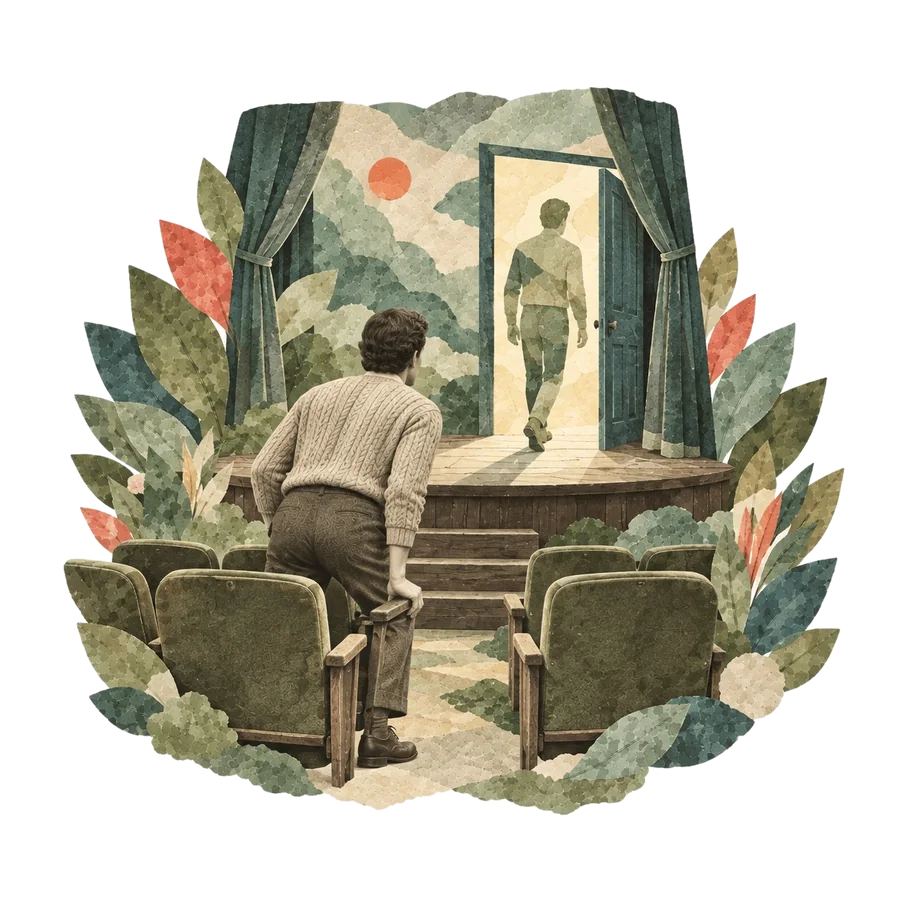
What Does It Mean to Feel Like a Spectator in Your Own Life?
Life happens while someone feels they are watching from a few steps behind. Autopilot has both a function and a cost. What distinguishes being present in life from simply keeping it running?
A new way to see your relationship.
Built by couples therapists, Anthea shows how the two of you live the same relationship. A few minutes a day. Each week, a reading written just for you.
- Tried with hundreds of couples in the therapy room
- Grounded in six psychological frameworks
- One subscription covers you both
For iPhone and iPad. In English, Turkish, German, French, Spanish and Portuguese.

Latest essays

Why Isn’t “I’d Have Done It If You’d Told Me” Enough?
Noticing that the bread has run out, thinking about who to tell, keeping track of whether it was bought: this is work too. This work often stays with one person and goes unseen. “I’d have done it if you’d told me” sounds like an offer to help; yet it leaves the load with the person who notices…

Why Does Curiosity Fade When Love Is Still There?
In long relationships, fading curiosity is often mistaken for the end of love. Yet we can keep loving someone while giving up the effort to know them. The reassuring sense of “I know you” can also lead us to treat a partner as a story that has already been written…

Why Does Always Being Strong Make Us Lonely?
The person everyone calls in a crisis cannot call anyone when it is their turn. Over time, being strong can become giving up on receiving support. The unexpressed need does not disappear; this is one way loneliness takes shape…

Why Do We Talk Only About Problems When We’re Trying to Save Our Relationship?
When a relationship is struggling, problems need to be discussed. But when every effort to improve things becomes an inspection of what is wrong, a shared life can start to resemble an endless fault log. The amount of talking grows without a matching increase in trust, play, or curiosity…

Why Can’t We Stop Looking Back?
If the past cannot change, why does the mind keep returning? Often, it seeks closure rather than an outcome. Remembering and reliving are different experiences…

Why Do We Stop Feeling Like Romantic Partners After Having a Child?
A child brings a new love into a relationship while fundamentally changing its old arrangements. When romance recedes, it often reflects parenthood consuming the available resources rather than love coming to an end…
One week, three steps.
First Reading
A short introduction. At the end, a first portrait of how you experience your relationship.
Six days, separately
Each day you both answer the same five questions, on your own. When you've both finished, you see where you met.
Day seven
A few closing questions and one open question. Then your week becomes a written reading, with one small step for the week ahead.
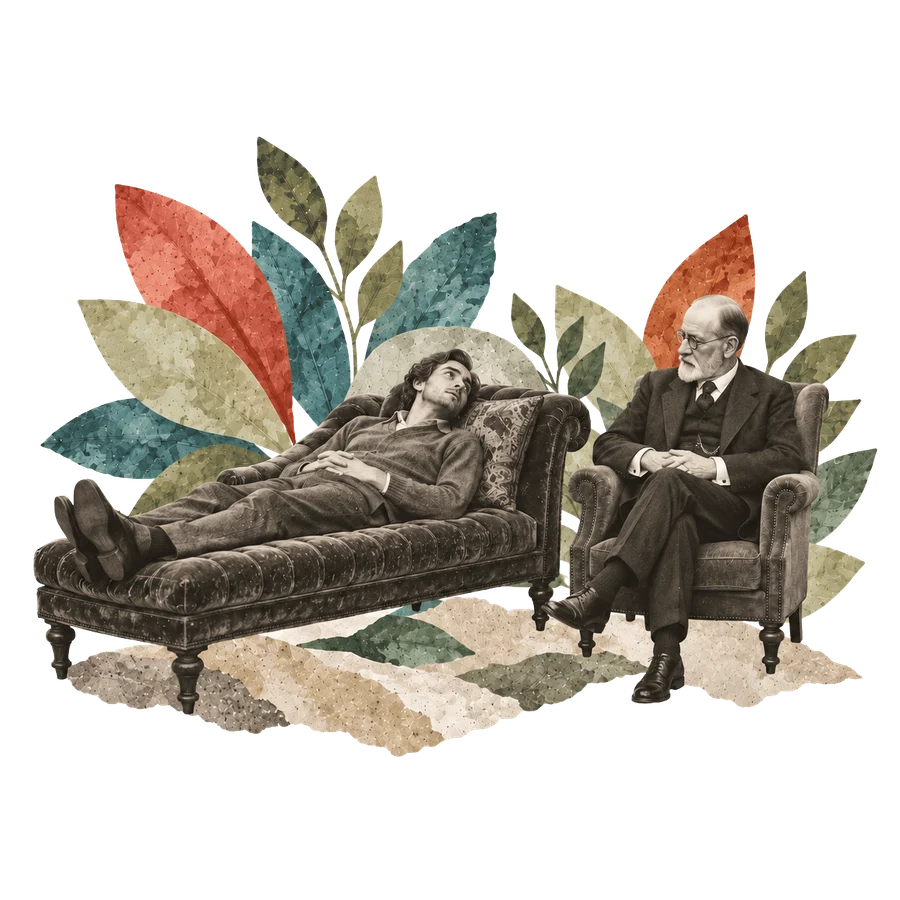
Tried in the therapy room first.
Before it was an app, Anthea's approach and questions were used with hundreds of couples in real therapy sessions.
Inside a relationship we can see each moment on its own, but noticing the pattern those moments form over time is not always easy.
We're new to apps, not to couples therapy. Anthea was built to carry a framework that matured in the therapy room into everyday life.
Six frameworks, everyday words.
More than 1,200 questions, drawn from six frameworks in relationship psychology. Written in everyday words instead of clinical terms.
- The Gottman Method
- Emotionally Focused Therapy
- Attachment theory
- Sternberg's triangular theory of love
- Love languages
- Positive psychology
How each framework is used in Anthea, and where its evidence is weak, with sources.